Overview of the 2000 Direct Deposit IRS Alert for December 2025
The IRS has opened payment windows for a one-time 2000 direct deposit distribution in December 2025. This article explains who is eligible, the clarified rules, how payment timing works, and what you should do now to receive or track the payment.
Who qualifies for the 2000 direct deposit payment
Eligibility depends on recent IRS guidance and tax filing records. Generally, people who filed 2024 or earlier returns and meet income thresholds may qualify.
Key qualifying factors include filing status, adjusted gross income, and whether the IRS has a valid bank account on file for direct deposit.
Common eligibility categories
- Individuals with adjusted gross income below the IRS threshold for 2024 or 2025.
- Tax filers who already received previous IRS credits and had direct deposit set up.
- Some dependents or mixed-filing households if the household meets the specific rules.
Payment windows opened and how timing works
The IRS announced staggered payment windows to reduce processing errors. Payments will be released in batches based on the last digit of Social Security numbers and filing status.
Payment windows are not all on the same day. Expect multiple deposit dates throughout December 2025 as batches process.
What to expect in your bank account
- Direct deposits will appear as an ACH credit from the U.S. Treasury or IRS.
- Bank processing can take 1–3 business days after the deposit posts.
- If you receive a paper check instead, the announcement will note why paper was used (no account on file, address on file only, etc.).
Rules clarified by the IRS for this payment
The IRS issued clarifications to avoid confusion. They emphasized that only taxpayers with matching identity and valid banking information will receive direct deposit.
They also clarified how dependents, joint filers, and nonfilers are handled for this one-time payment.
Important clarified rules
- Nonfilers who previously used the IRS nonfiler portal may need to reverify details to qualify.
- Joint tax returns will direct payment to the bank account associated with the return unless otherwise specified.
- If the IRS flags a return for identity verification, payment will be delayed until verification completes.
How to check payment status and next steps
Use the official IRS portal to check eligibility and payment status. Do not rely on unofficial emails or texts claiming to be IRS payment notices.
Follow these practical steps right away:
- Visit the IRS website and use the designated payment tracker page.
- Confirm the IRS has your current bank details on file if you want direct deposit.
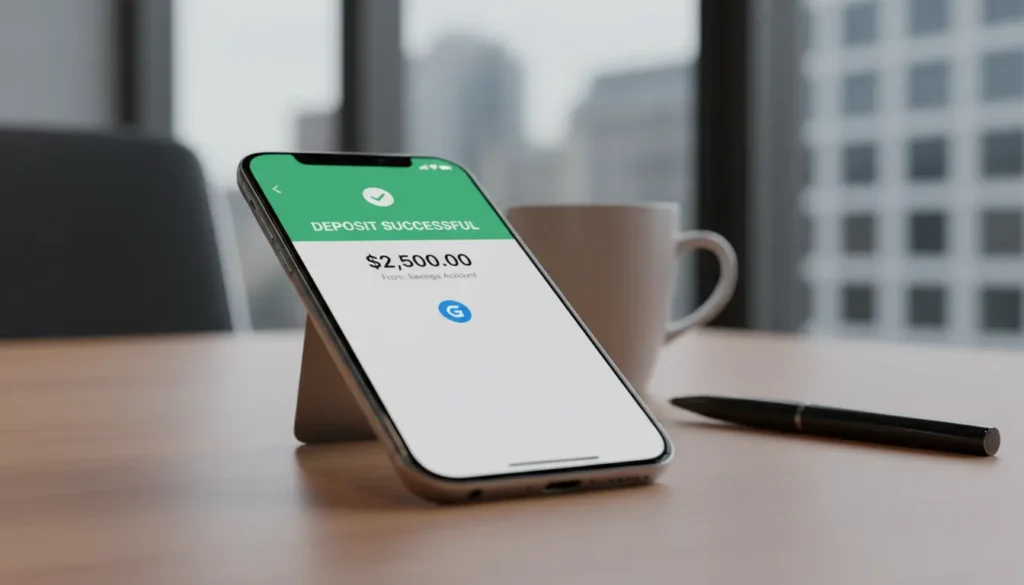
- Watch your bank account for an ACH credit labeled as a U.S. Treasury deposit.
- If you expect a payment but do not receive it, follow the IRS guidance for identity verification and missing payments.
The IRS often uses batch-based distributions by Social Security number to reduce processing errors. This means two people in the same household may receive deposits on different days.
Common problems and how to resolve them
Some taxpayers will face issues like incorrect bank info, identity verification holds, or mismatched addresses. Each problem has a specific fix.
Fixes for common issues
- Incorrect bank information: Update records if the IRS portal allows changes or follow instructions to receive a paper check instead.
- Identity verification hold: Complete the IRS identity verification process using the secure IRS tools linked from the official site.
- Missing payment: Check the payment tracker, then contact IRS help channels if the portal shows an approved payment that never arrived.
What to do if you receive a deposit
If you see the deposit, confirm the amount and save documentation. The deposit will be reported to taxpayers and may be reflected in IRS account transcripts.
Consider these practical money-management steps:
- Set aside money for bills or emergencies if the payment was intended as relief.
- Keep transaction records in case of future IRS questions.
- Consult a tax professional if you believe the amount is incorrect.
Small real-world example
Case study: Maria, a single filer, saw no change for weeks. She checked the IRS payment tracker and found her batch date was later in December due to her SSN ending in 7. Maria confirmed her bank account was on file and received the direct deposit three days after the batch posted.
Lesson: Checking the official IRS tracker and confirming bank details prevented an unnecessary call to her bank and reduced stress.
Security and scam warnings
The IRS will not call demanding personal information or threat-based payments. Expect official notices through the IRS portal or mailed letters for specific issues.
If you receive suspicious contact about the payment, do not provide account numbers. Report phishing attempts to the IRS and forward suspicious emails to phishing@irs.gov.
Final checklist: Preparing for the payment
- Verify your filing status and 2024 return details.
- Confirm bank account information with the IRS if the portal supports it.
- Monitor the IRS payment tracker and your bank account regularly in December 2025.
- Keep documentation and contact a tax professional for unusual discrepancies.
These steps will help you understand the 2000 Direct Deposit IRS Alert for December 2025, get your payment on time, and handle issues if they arise. Use only official IRS channels to verify status and avoid scams.