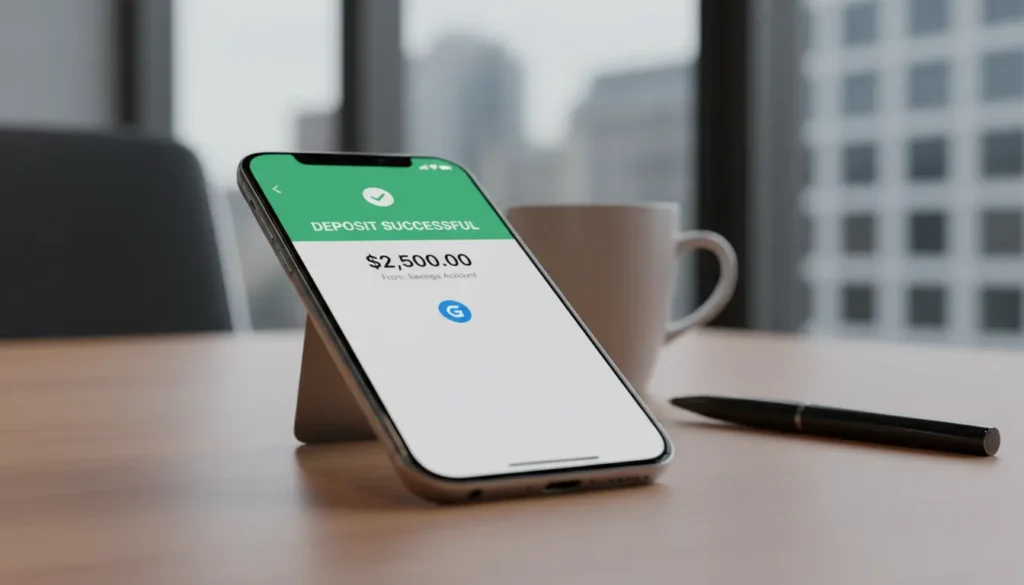
The IRS has announced a direct deposit program sending $2,000 payments beginning in January 2026. This article explains who may qualify, the rules that apply, and the immediate steps you should take to prepare.
$2,000 IRS Direct Deposit Update: Who May Get Payments
The update refers to a one-time $2,000 direct deposit distribution administered by the IRS starting January 2026. Eligibility rules are tied to recent legislation and IRS guidance.
In general, the key eligibility points include income limits, tax filing status, and residency requirements. The IRS will cross-check recent tax returns and Supplemental Security Income (SSI) or Social Security records where applicable.
Main eligibility criteria
- Adjusted gross income (AGI) below thresholds set in the legislation.
- US citizens and qualifying resident aliens with valid Social Security numbers.
- Filers must have tax records or benefit records on file with the IRS for recent years.
Payments Begin January 2026: Timing and Method
The IRS plans to start direct deposits in January 2026. The payments will be sent in batches over several weeks, not all on a single day.
Direct deposit is the fastest delivery method. The IRS will use banking information already on file from tax returns or benefit accounts to deposit funds electronically.
How the IRS decides deposit order
- Recipients with direct deposit information on file are prioritized.
- Those who receive Social Security or other federal benefits and have banking data on record will often get deposits earlier.
- Paper checks are expected for people without direct deposit information; these will arrive later.
Rules You Need to Know
Several rules affect the payment amount and timing. Knowing these rules helps avoid surprises.
- Payment is generally a fixed $2,000 per eligible individual unless the law specifies a reduction for higher incomes.
- Dependents who qualify under the law may or may not receive separate payments; check the IRS guidance for definitions of qualifying dependents.
- Receiving the payment is not a taxable event for federal income tax purposes in most cases, but state tax rules can vary.
Important exceptions and interactions
Some government benefits or debt offsets may affect the net amount you receive. For example:
- Past-due child support may reduce payments in some states.
- Federal offsets for certain debts may apply, but the law may protect at least part of the payment — check IRS notices for details.
Immediate Steps to Take Now
Take these practical steps right away to increase the chance you receive the $2,000 by direct deposit in January 2026.
- Check your most recent tax return for the bank routing and account number you used. If it’s accurate, the IRS is likely to use it.
- Log in to your IRS account at IRS.gov to confirm your contact and banking information, if available.
- If you receive Social Security or other federal benefits, confirm your direct deposit info with the issuing agency (SSA, VA, etc.).
- File a simple tax return for the latest tax year if you didn’t file — the IRS often uses recent returns to determine eligibility and payment method.
- Beware of scams: the IRS will not call to ask for bank account information for this payment. Use only official IRS channels to update data.
Documents and records to gather
- Recent tax return (Form 1040) and a copy of your W-2 or 1099 if available.
- Social Security or benefit statements if you receive federal benefits.
- Bank account and routing numbers you want the IRS to use for direct deposit.
The IRS often uses the direct deposit information from your most recent filed tax return. If you changed banks after filing, the IRS may still try to deposit to the old account, which can delay payment.
How to Track and Confirm Your Payment
Once the IRS begins deposits, use the following steps to track your payment status.
- Check the IRS online portal for payment status updates and notices.
- Monitor your bank account for deposits in January 2026 and the following weeks.
- If you do not receive a deposit, the IRS will typically mail a notice explaining next steps or how to claim the money.
What to do if you miss a payment
If you believe you were eligible but did not receive the payment by direct deposit or mail, keep these actions in mind:
- Wait for an IRS notice — it may include instructions for claiming a missed payment.
- Call IRS help lines only if the official guidance recommends it; expect high volume and long wait times early on.
Real-World Example
Case study: Maria, a part-time teacher, filed her 2024 tax return in April 2025 and provided direct deposit info. The IRS used that bank info and deposited $2,000 into her account on January 20, 2026. Maria confirmed the deposit by checking her IRS account and her bank statement. She did not need to take further action.
This example shows why confirming your bank details on your latest tax return or benefit record matters for fast delivery.
Final Tips
Be proactive: confirm your tax records and benefit information now, watch official IRS channels for updates, and never give banking details to callers claiming to be the IRS. These simple steps increase your chance of receiving the $2,000 direct deposit quickly and securely.