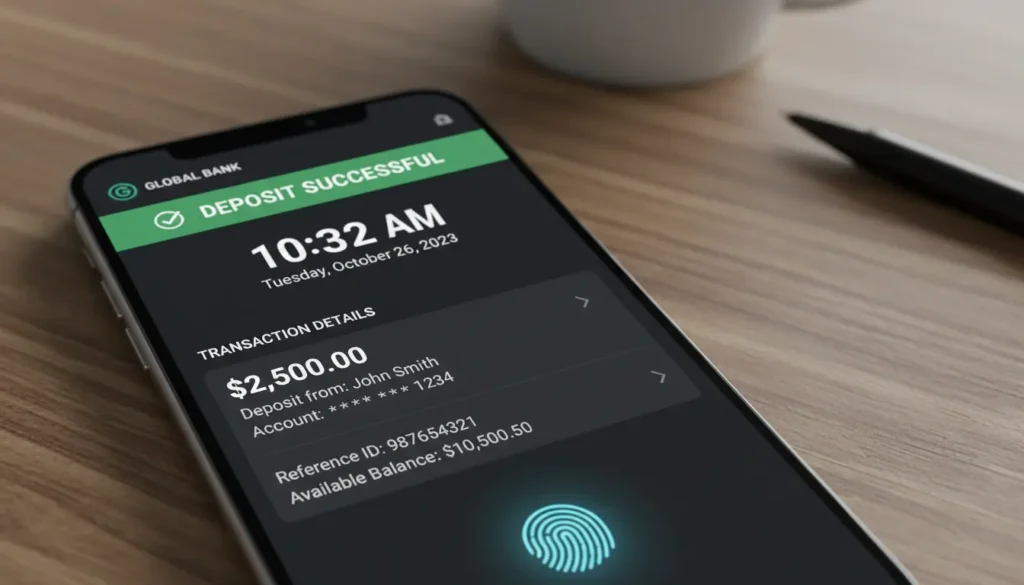
Overview of IRS $2000 One-Time Deposits December 2025
If federal lawmakers authorize a one-time $2000 deposit for December 2025, the IRS will follow set rules to determine eligibility and how payments are issued.
This guide explains common qualification criteria, what documents you may need, how payments are delivered, and steps to claim or fix a missing payment.
Who typically qualifies for IRS one-time deposits
When past federal payments were issued, eligibility focused on income, filing status, and Social Security numbers. The same rules are likely to apply if a $2000 payment is authorized.
- U.S. citizens and resident aliens with valid Social Security numbers.
- Filing status and adjusted gross income (AGI) below set thresholds.
- Dependents may affect the household total or receive separate amounts depending on the law.
- Some non-filers and Social Security beneficiaries may be automatically eligible.
Common income limits and phaseouts
Legislation often uses phaseouts starting at certain AGI levels. For example, a full payment may be for single filers under a set AGI and reduced for higher incomes.
Expect these patterns:
- Full payment for individuals below a base AGI, for example under 75,000.
- Partial payment for incomes above that base until a cut-off, for example 100,000 or 150,000 depending on the law.
- Phaseouts may differ for heads of household and joint filers.
Required documents and records
The IRS uses the most recent tax return and SSA records to verify eligibility. Keep these documents ready to speed verification and any dispute process.
- Most recent federal tax return filed (2023 or 2024 returns may be used).
- Valid Social Security number for each person claimed.
- Bank routing and account number if you expect direct deposit and need to update it.
- Proof of address and identity if the IRS requests verification.
Special cases that affect qualification
Some groups have special handling and may be eligible even if they did not file returns.
- Social Security retirement, SSDI, and SSI beneficiaries often receive automatic deposits or checks.
- Veterans with VA benefits may be eligible through automatic systems.
- Non-filers who meet income rules may need to register with an IRS non-filer portal if available.
How payments are delivered
The IRS typically uses direct deposit when it has bank information. Otherwise, paper checks or prepaid debit cards are mailed.
Expected delivery methods include:
- Direct deposit to bank accounts on file.
- Paper check mailed to the last known address.
- IRS-issued prepaid debit cards in some previous programs.
How to update bank or address information
Use the IRS online tools if the agency reopens a Get My Payment or non-filer portal. Otherwise, update your 2025 tax return or contact the IRS before the announced payment date.
Keep in mind that bank and address updates have deadlines and verification steps.
Past one-time federal payments were based on tax returns and Social Security records, and millions of eligible people received payments automatically without filing a new return.
What to do if you do not receive the $2000 deposit
If a payment is missing, the most common fix is claiming the amount on your next tax return if the law establishes a refundable credit.
Steps to resolve missing payments:
- Check official IRS notices and the IRS website for guidance and dates.
- Use any IRS online payment portal to confirm payment status when available.
- File a 2025 federal return claiming the credit or contact the IRS if you already filed and were eligible.
- If the IRS cannot resolve the issue, consider contacting the Taxpayer Advocate Service for help.
Documentation to support a missing payment claim
Gather the following to speed resolution:
- Copies of the tax return used for eligibility.
- Proof of Social Security benefits if applicable.
- Bank statements showing no deposit was received.
- IRS letters or notices about the payment, if any.
Small real-world example
Case study: Maria is a single filer with AGI of 32,000. She filed her 2024 return with direct deposit information on file. When the one-time deposit was authorized, the IRS used her latest return and deposited 2000 directly into her account in mid-December.
Another example: The Johnson family filed jointly with AGI of 120,000 and had a phased reduction. They received a partial deposit and were instructed to claim any remaining eligible amount on their 2025 tax return.
Practical steps to prepare now
Even before official rules are published, you can reduce delays and problems by taking these actions.
- File or update your latest tax return so the IRS has current information.
- Ensure your Social Security numbers are correct and up to date.
- Confirm your preferred bank account is on file for direct deposit.
- Monitor official IRS announcements and reputable news outlets for finalized rules and timelines.
When to consult a tax professional
If your household has complex income, mixed immigration status, or questions about phaseouts, a tax professional can explain how proposed rules affect your payment amount and filing strategy.
Also consult a pro if you need to dispute a missing payment and the IRS response is unclear or delayed.
Following the steps above will help you qualify and claim the IRS $2000 one-time deposit in December 2025 if the program is enacted. Always verify final details on the official IRS website before taking action.