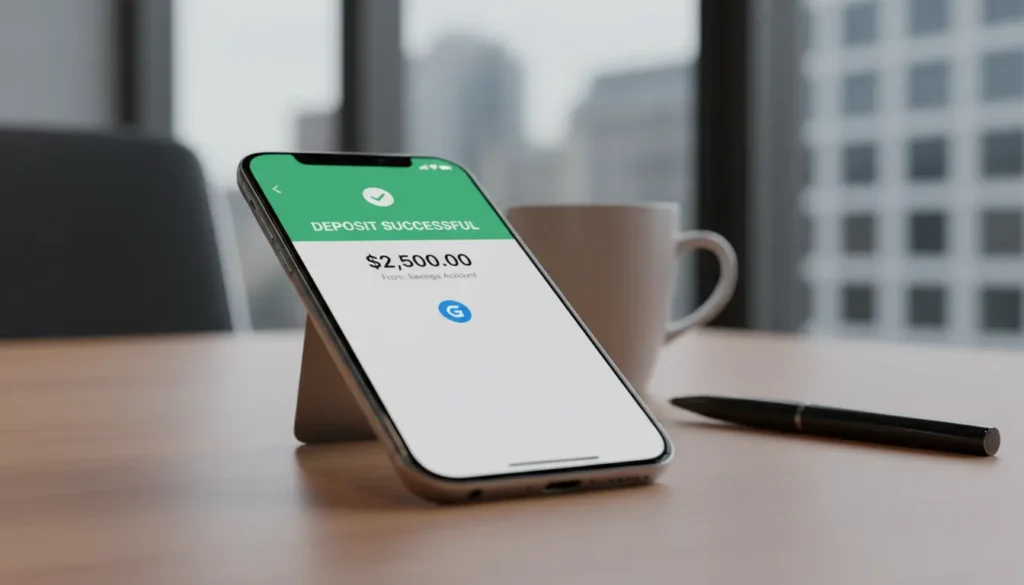
This guide explains who may qualify for Federal 2000 holiday deposits in December 2025 and the key deadlines you should track. It focuses on practical steps you can take now to confirm eligibility, update payment details, and reduce delays.
Federal 2000 Holiday Deposits December 2025: Overview
Federal 2000 holiday deposits refer to one-time government payments scheduled for December 2025. These payments are intended to reach eligible individuals via the same payment channels used for federal benefit deposits or tax rebates.
Programs and final rules can vary, so verify details with official sources (IRS, Social Security Administration, or the issuing agency) before relying on timelines below.
Who Is Likely Eligible for Federal 2000 Holiday Deposits December 2025
Eligibility typically follows a few common criteria used for federal one-time payments. Confirm your status with the issuing agency, but use this checklist to assess likely eligibility.
- Primary requirement: Social Security number valid for employment and not claimed as a dependent by another taxpayer.
- Income thresholds: Most one-time federal payments set gross income limits by filing status (single, head of household, married filing jointly).
- Filing status: You usually must have filed a recent federal tax return or be enrolled in a benefits system (Social Security, SSI, VA) to be auto-eligible.
- Dependency rules: Dependent children or adult dependents may not qualify unless the program explicitly allocates funds per dependent.
Documents and records that help confirm eligibility
Gather these items when checking or applying for a deposit. They speed verification and reduce errors.
- Most recent federal tax return (1040).
- Social Security or benefit award letters for recipients of SSA, SSI, or VA benefits.
- Valid Social Security number for you and any qualifying dependents.
- Proof of U.S. residency if requested by the program.
Key Deadlines for Federal 2000 Holiday Deposits December 2025
Deadlines determine who gets a payment in time for the holidays. Use the dates below as a preparation checklist and confirm the final official cutoff with the issuing agency.
- Application or registration window: Many programs open an online registration well before the deposit date. Check for a mid‑to‑late November cutoff if you expect a December deposit.
- Direct deposit update cutoff: Federal agencies often require bank details to be on file 10–21 days before the scheduled deposit to route funds via ACH.
- Address and mailing changes: If you expect a paper check, allow several weeks for processing and mail delivery; update your address at least 3–4 weeks ahead.
- Tax filing deadlines: If eligibility is based on the latest return, ensure your 2024 or 2025 return is filed and accepted before the program’s stated cutoff.
Practical dates to act on now
While exact program dates are issued by the agency, follow these practical timelines to reduce risk of missing a December deposit.
- By early November: Verify eligibility and enrollment status with the agency handling payments.
- By mid-November: Confirm or update direct deposit details and mailing address.
- By late November: Submit any required registration or non-filer claims.
- First half of December: Monitor agency notices and bank accounts for an expected deposit.
How to Update Payment Details to Receive Federal 2000 Holiday Deposits
Receiving funds by direct deposit is the fastest method. Use these steps to check and update your payment method.
- Log into the official account portal for the issuing agency (IRS, SSA, or other). Avoid third-party sites.
- Find the payment or direct deposit section and confirm account and routing numbers.
- If you can’t update online, call the agency’s official phone line or visit a local office well before the cutoff.
Non-filers and special cases
Some people who did not file taxes can still register for one-time federal deposits through a non-filer portal. Check the agency site for a secure registration link and required documentation.
Beneficiaries who receive Social Security, SSI, or VA benefits typically do not need to take extra steps if their benefit records are current and direct deposit is active.
Federal agencies often use bank account data already on file from earlier tax or benefit payments to send one-time deposits, so updating your direct deposit early is the fastest way to get funds.
Small Real-World Example
Maria is a single taxpayer who expects a Federal 2000 holiday deposit in December 2025. She filed her 2024 tax return in March and confirmed her bank account with the IRS earlier in the year.
In mid-November she logged into the IRS portal, verified her account and address, and saw a notice that direct deposit changes must be made 14 days before the scheduled payment. Because she acted early, Maria received the deposit via ACH in the first week of December.
Common Problems and How to Avoid Them
Delays can occur when agencies lack current bank or address details, when returns are still processing, or when identity verification flags appear.
- Problem: Missing or outdated bank information. Solution: Update direct deposit early and confirm with the agency portal.
- Problem: Tax return not processed. Solution: File or check the status of your return and correct any errors promptly.
- Problem: Identity verification issues. Solution: Respond quickly to agency notices and provide requested documents through official channels.
Final Checklist Before the December Deposit
- Confirm eligibility and registration status with the issuing agency.
- Update direct deposit and mailing address at least 10–21 days before expected payment.
- File any required tax returns or non-filer registrations immediately.
- Keep official agency contact numbers and watch for notices by email or mail.
Always verify final eligibility rules and official deadlines on the agency website that is distributing the payment. Policies and dates may change, and only the issuing agency can provide definitive guidance.