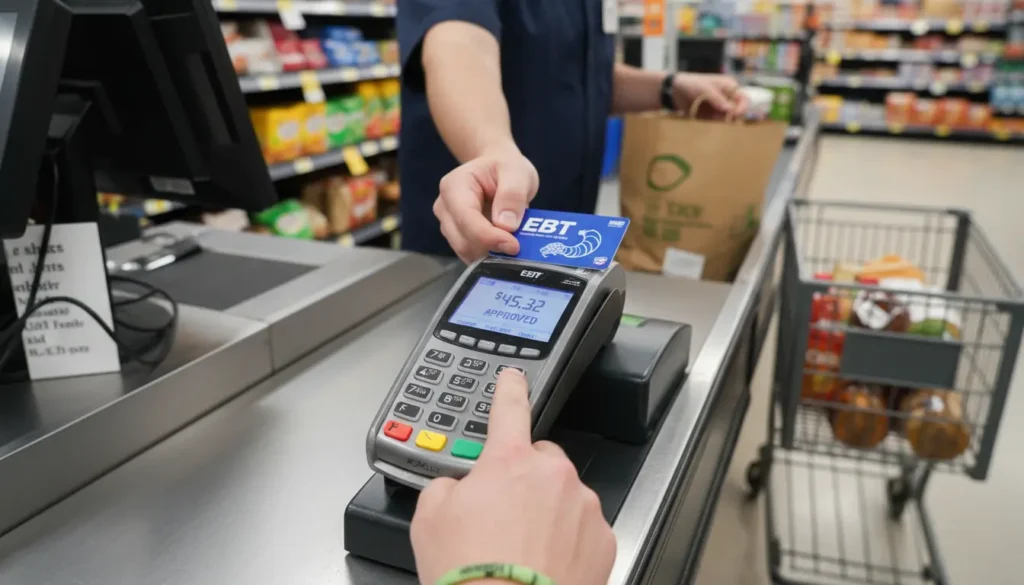
The federal SNAP program helps millions buy groceries through monthly EBT payments. A current funding standoff in Washington has raised the possibility of SNAP benefit delays for up to 42 million Americans.
What are SNAP benefit delays and why they matter
SNAP benefit delays occur when monthly electronic benefit transfers (EBT) are postponed or reduced because federal funding or administrative processes are interrupted. These delays can leave households without expected funds for food, increasing food insecurity for vulnerable families.
Delays matter because many recipients budget to the cent around their monthly SNAP deposit. Even a short interruption can force people to skip meals, use high-interest credit, or rely on local food banks.
Why SNAP benefit delays are happening now
The current issue stems from a temporary lapse or uncertainty in federal appropriations and budget agreements. When Congress does not finalize funding on time, programs that draw on those appropriations — including SNAP — may face distribution disruptions.
State agencies typically need federal authorization or transfers to load EBT accounts. A federal funding standoff can slow those transfers or require states to make short-term adjustments until funds arrive.
Key factors behind SNAP benefit delays
- Federal budget or appropriations impasse delaying transfers.
- Administrative delays in state systems waiting for federal guidance.
- Timing differences between federal disbursements and state EBT schedules.
Who could be affected by SNAP benefit delays
Up to 42 million people could feel some impact if funding is paused or reduced. That includes low-income families, older adults, people with disabilities, and children who rely on SNAP as part of their household budget.
Effects vary by state because each state sets when monthly SNAP benefits are posted. Some states stagger deposits by household case number, while others use different schedules that could cause uneven impacts.
How SNAP benefit delays could affect recipients
Common consequences of delayed SNAP benefits include running out of grocery funds before the next deposit and increased reliance on emergency resources. Some families might prioritize staple foods over fresh produce when money is tight.
Recipients may also face administrative stress, having to contact state SNAP offices, verify benefits, or apply for emergency food assistance if funds do not arrive as scheduled.
Practical impacts to expect
- Short-term gaps in access to groceries.
- Increased visits to food pantries and community meal programs.
- Potential financial strain and use of credit or loans.
What recipients should do now
Prepare early to reduce the effect of possible SNAP benefit delays. Small steps can stretch resources and reduce stress if a payment is late.
- Check your state’s SNAP schedule and stay informed about any official notices from your state agency.
- Create a short emergency grocery list prioritizing shelf-stable foods and low-cost, nutritious items.
- Contact local food banks, faith-based groups, or community centers to learn about emergency food resources.
- Keep receipts and records if you need to request retroactive assistance or documentation from your state SNAP office.
Managing a short-term gap
If your SNAP payment is delayed, consider low-cost meal planning and community resources. Simple swaps and meal prep can help your food stretch longer than expected.
Examples: canned beans, rice, dried lentils, and frozen vegetables are budget-friendly and have long shelf life. Pair these with low-cost seasonings for variety.
How to contact help and what to ask
If you think your SNAP benefits are delayed, contact your state SNAP office first. Ask whether your county has received federal transfers and whether a state-level action is required to post benefits.
Also ask about emergency SNAP (sometimes called emergency allotments) or other short-term supports available during funding gaps. Keep a note of names, phone numbers, and case details when you call.
Did You Know?
SNAP benefits are issued on different days across states. Some states assign a deposit date based on case number, which can affect who is impacted first during a funding delay.
Real-world example: A short case study
Maria lives in a midwestern state and receives SNAP benefits on the 10th of each month. During a recent federal funding delay, her state postponed EBT deposits for two days while awaiting guidance.
Maria contacted her county SNAP office, which confirmed the delay and provided a list of neighborhood food pantries. She used stored canned goods and visited a local pantry, then received her full SNAP amount after the funds arrived.
This example shows the value of contacting state offices early and identifying community resources before a gap becomes an emergency.
What policymakers and communities can do
Policymakers can reduce future risk by prioritizing predictable funding and contingency plans for essential programs. Clear communication between federal and state agencies helps minimize confusion and delays.
Communities and nonprofits can prepare emergency food networks and outreach to quickly support households when SNAP payments are interrupted. Advance planning makes response faster and less stressful for recipients.
Final steps for recipients to take today
- Confirm your SNAP deposit schedule and sign up for alerts from your state agency.
- Identify at least one local food resource and save their contact information.
- Build a short emergency pantry list of affordable, shelf-stable foods.
Being proactive can help households manage short SNAP disruptions and reduce the risk of going without food. Stay informed through official state channels and local community partners for the latest updates.