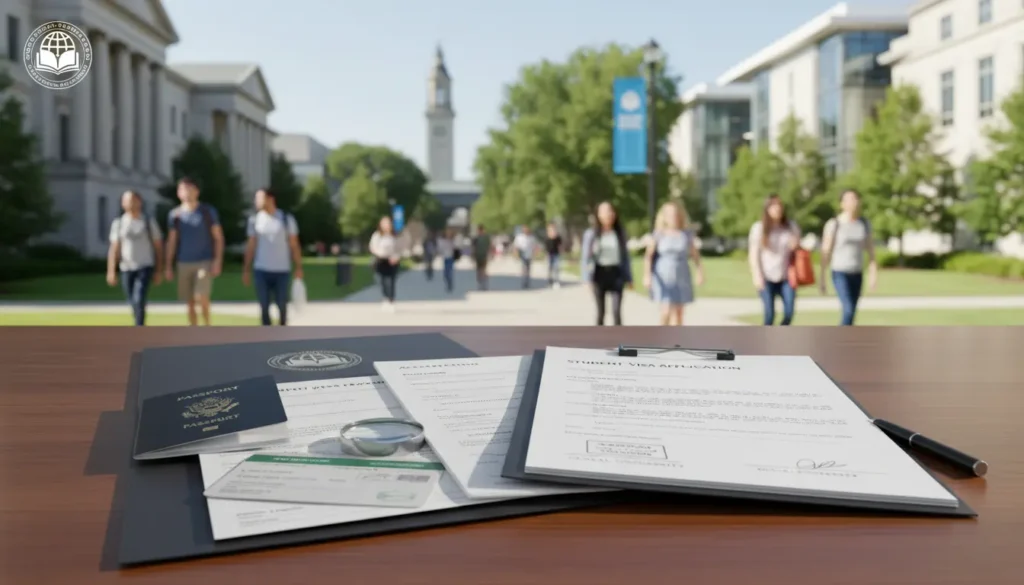
This article explains the main points of the 2026 updates to U.S. student visa policy announced under the Trump administration and what F-1, J-1, and M-1 students should do to stay compliant. Read the practical steps and examples to prepare for new requirements.
Overview of the 2026 student visa rule updates
The 2026 updates tighten visa oversight, change some enrollment and work rules, and increase documentation requirements. These changes affect F-1 academic students, J-1 exchange visitors, and M-1 vocational students differently.
Below are the key areas affected and quick actions you can take now to reduce risk of visa issues.
Key changes that all student visa holders should know (2026)
- Stricter verification of full-time enrollment and in-person attendance.
- Revised limits on online coursework counted toward full-time status.
- Tighter rules and documentation for practical training (OPT/CPT) and work authorization.
- Shorter or more narrowly applied grace periods after program completion for some visas.
- Increased SEVP and sponsor reporting and random audits of schools and programs.
- Higher fees for certain SEVIS transactions and visa reviews in some cases.
What F-1 students need to know
F-1 students (academic programs) face the most attention in the updates. Expect stricter checks on whether you meet full-time enrollment and whether online credits count.
Enrollment and course load rules for F-1
Officials now emphasize in-person presence for most programs. Institutions will be required to confirm attendance more often, and there are new caps on how many online credits can satisfy the full-time requirement.
- Action: Confirm with your international student office how many online credits are allowed for your program.
- Action: Keep clear attendance records and course registration screenshots in case of verification requests.
Work authorization and OPT/CPT for F-1
Practical training approvals (CPT/OPT) may require additional employer and school documentation. OPT processing may take longer with new review steps.
- Action: Apply for OPT/CPT earlier and collect employer documentation in advance.
- Action: Keep detailed job descriptions and supervisor contacts for SEVP reviews.
What J-1 exchange visitors should expect
J-1 rules stress sponsor accountability and tighter tracking of program objectives. Sponsors must report more frequently, and some exchange categories face shorter allowed stays.
Documentation and sponsor requirements for J-1
Sponsors will need to verify that exchange activities match the original program plan. The two-year home residency rule remains in place where applicable and may be enforced more consistently.
- Action: Keep a copy of your DS-2019, sponsor contact information, and program objectives on hand.
- Action: If subject to the two-year rule, consult immigration counsel well before plans to change status.
What M-1 vocational students should plan for
M-1 students (vocational and nonacademic programs) will see stricter caps on program extensions and practical training eligibility.
Limits and training for M-1
M-1 practical training authorization periods may be reduced and approvals require clearer linking between training and the vocational program.
- Action: Maintain precise program completion dates and apply for any necessary training authorization early.
- Action: Document how any practical training relates to coursework and skills learned.
F-1 students are normally required to maintain a full course of study each term. If a school reports a significant drop in attendance or credits, that can trigger SEVIS review and possible termination of status.
Common compliance steps for F-1, J-1, and M-1 students
All students should take similar steps to minimize problems under the new 2026 rules. These practical steps reduce risk and make responses to requests faster.
- Verify program status with your international student office each term.
- Save copies of I-20 or DS-2019, transcripts, and enrollment confirmations.
- Apply early for employment authorizations and collect employer letters.
- Respond promptly to any SEVP or sponsor requests for information.
- Consider legal advice before changing major, transferring schools, or ending a program early.
Small real-world example: How a student handled the change
Case study: Maria, an F-1 graduate student from Brazil, planned to use OPT after graduation. After the 2026 updates were announced, her international office told her to submit a detailed job offer and supervisor contact at least 90 days before applying. Maria gathered her employer’s job description and proof of enrollment and filed her OPT application earlier than she originally planned. When SEVP requested a workplace verification, she was able to provide the documents immediately and her OPT was approved without delay.
Lesson: Early preparation and clear documentation made the difference for a timely approval.
When to get professional help
If your situation is complex—such as visa status changes, potential violation notices, or the two-year home residency rule—consult an immigration attorney or your school’s designated official. Professional help is vital when rules are tight and timelines are short.
Final checklist before travel or program changes
- Confirm allowed online credit limits and in-person attendance expectations.
- Update I-20 or DS-2019 if you change programs, schools, or employers.
- Apply earlier for CPT/OPT and collect employer documents in advance.
- Keep copies of receipts, forms, and communications with your school and sponsor.
These 2026 student visa updates prioritize verification and documentation. Staying informed and preparing early are the best ways to reduce disruption in your study or training plans.