Overview of IRS $2,000 Direct Deposit Relief January 2026
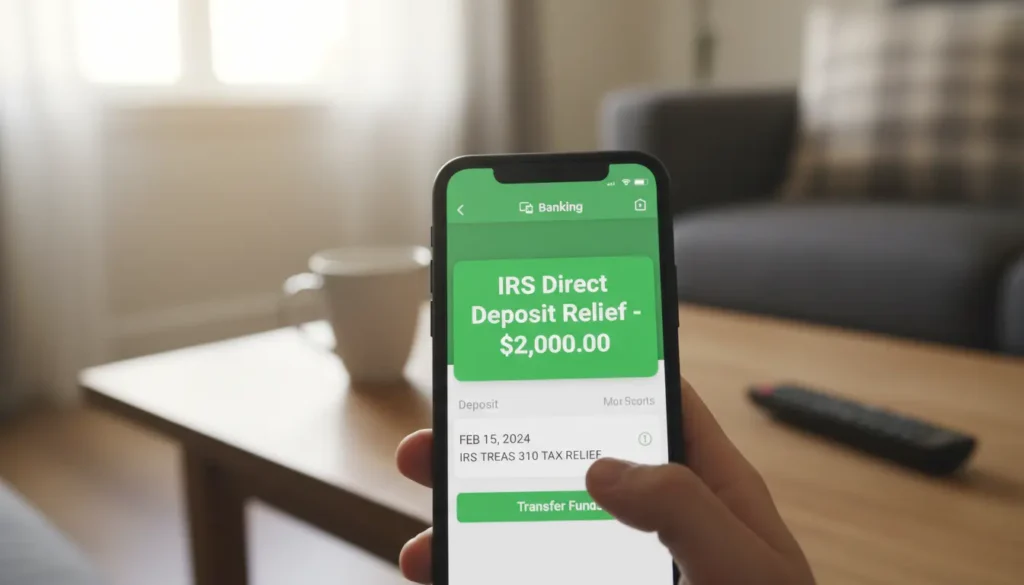
The IRS announced a $2,000 direct deposit relief payment scheduled to begin in January 2026. This article explains updated eligibility rules, the likely payment schedule, and expected direct deposit windows.
Use this guide to check your eligibility, prepare your banking details, and know when to expect funds if you qualify.
Who Is Eligible for the $2,000 Direct Deposit Relief?
Eligibility is based on recent IRS guidance and follows tax filing and income thresholds. Primary groups likely to qualify include low- and moderate-income taxpayers, some Social Security recipients, and certain taxpayers with qualifying dependents.
Key eligibility points to check:
- Filed a federal tax return in 2024 or 2025 (as required), or are on IRS records as eligible non-filers.
- Meet income thresholds set for the relief—these are typically adjusted by filing status (single, head of household, married filing jointly).
- Provided or maintained a valid bank account for direct deposit with the IRS or through IRS systems like direct debit/offsets.
- Are not disqualified due to certain outstanding federal debts that the IRS will automatically offset.
Common exceptions and disqualifiers
Certain taxpayers may be ineligible or receive reduced payments. Typical exceptions include:
- Taxpayers with active, full federal tax levies or certain non-tax federal debts that trigger offsets.
- Individuals claimed as dependents on another taxpayer’s return when the relief is limited to primary filers.
- Incomplete or missing banking information on file with the IRS.
Updated Schedule: When Payments Will Hit
The IRS expects to begin direct deposit payments in January 2026. Payments will be issued in batches over several weeks rather than on a single day.
General schedule expectations:
- Early January: initial batch to taxpayers with verified direct deposit information.
- Mid-January: second wave for returns processed later or corrected banking details.
- Late January to early February: remaining payments, including mailed checks for taxpayers without deposit details.
Why payments will be staggered
Staggering helps the IRS validate banking details, apply offsets for debts, and reduce fraud risk. It also allows technical systems to process payments in manageable volumes.
Expected Direct Deposit Windows
The IRS will likely use morning processing windows on business days to send batches of direct deposits. Expect payments to arrive in your bank account within 1 to 3 business days after the IRS issues a deposit.
Typical deposit arrival pattern:
- Bank posts deposit same day: some taxpayers see funds within hours.
- 1 business day: common timing if bank processes overnight batches.
- 2–3 business days: for smaller banks or weekend processing.
How to check your payment status
Use the IRS online tools (payment status or Get My Payment when available) and your bank’s transaction history. Keep your IRS account credentials secure and only use official IRS.gov pages.
How to Prepare for the $2,000 Payment
Take these steps to help ensure you receive your payment quickly and avoid delays.
- Verify your bank routing and account number with your latest tax return or the IRS online account.
- File any required tax returns promptly—late filers can delay payment eligibility.
- Opt in for electronic communication from the IRS so you receive updates.
- Check for outstanding federal debts that may be offset against the payment.
If your deposit information changed
Update your bank information before the IRS begins issuing payments. If you miss the window, expect a mailed check instead, which can take several weeks longer to arrive.
The IRS often issues relief payments in phases to reduce fraud and make offsets for overdue federal debts. If you see a different payment date listed online, it may reflect processing batches rather than a final disbursement.
Case Study: Real-World Example
Maria, a single filer who claimed a standard deduction, filed her 2025 return in October and provided direct deposit details. She had no outstanding federal debts and qualified under the income threshold.
The IRS issued her payment in the mid-January batch and her bank posted the deposit the same day. Maria received a notification from the IRS online account two days before the deposit appeared, which helped her plan for a scheduled bill payment.
What To Do If You Don’t Receive the Payment
If you believe you are eligible but did not receive the $2,000 payment by early February, take these steps:
- Check your IRS online account for messages or payment status updates.
- Confirm your bank account and routing numbers on the most recent tax return filed with the IRS.
- Look for an offset notice—if the IRS applied your payment to a tax debt you should receive explanation.
- Contact the IRS only via official channels if online tools don’t explain the issue.
Protect yourself from scams
The IRS will not call, text, or email asking for personal bank information to send this payment. Avoid clicking links in unsolicited messages claiming to accelerate or unlock payments.
Summary and Next Steps
The IRS $2,000 direct deposit relief in January 2026 is intended to reach eligible taxpayers quickly, but payments will be issued in waves. Verify your eligibility, confirm banking details, and monitor IRS tools for exact timing.
Preparing early and using official IRS resources reduces delays and helps ensure you receive funds in the first deposit windows.