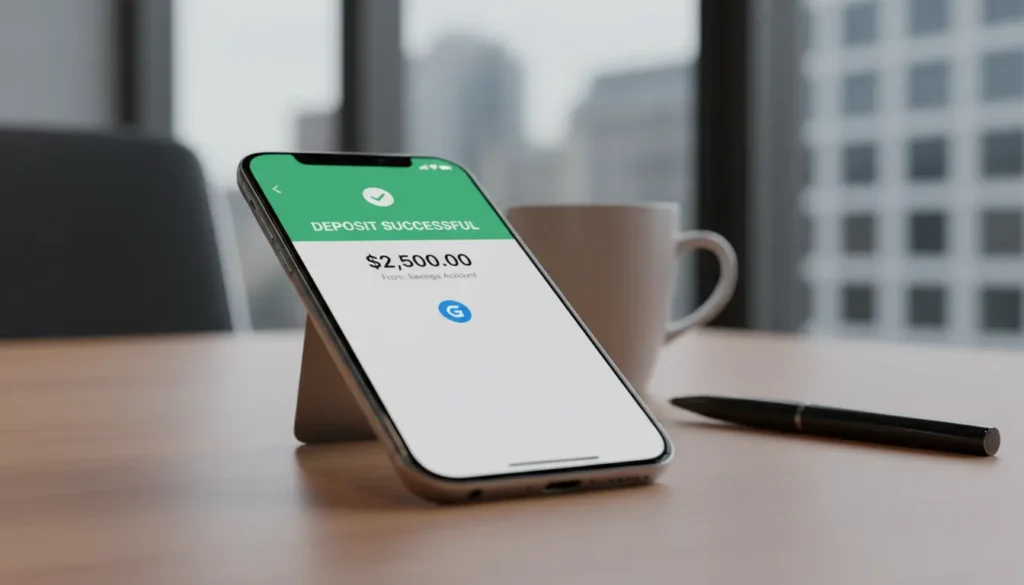
The IRS has confirmed a $2,000 direct deposit payment scheduled for January 2026. This guide explains the eligibility criteria, the payment dates the agency has set, and clear steps to claim the money quickly or resolve a missed payment.
Who is eligible for the IRS $2,000 direct deposit in January 2026
Eligibility depends on filing status, income limits, citizenship and Social Security number (SSN) rules. The IRS is using recent tax records and Social Security Administration data to verify recipients.
Basic eligibility rules include:
- U.S. citizens or qualifying resident aliens with a valid SSN.
- Filing a 2024 tax return (or having an active IRS record) so the agency can confirm income and dependents.
- Adjusted gross income (AGI) below the IRS threshold for your filing status. The IRS published specific phase-out ranges with the announcement.
Key documents and information to check now
- 2024 tax return or proof of recent filing.
- Valid Social Security number for you and any qualifying dependents.
- Bank account and routing numbers for direct deposit.
- Recent IRS notices or letters related to this payment.
Payment dates set: January 2026 schedule and rollout
The IRS plans a phased rollout of direct deposits in January 2026 to manage volume and reduce errors. Payments begin mid-January and continue through the month.
Typical phased schedule (examples the IRS will use to stagger sends):
- Week 1 (mid-January): SSNs ending in 0–3.
- Week 2 (late January): SSNs ending in 4–6.
- Week 3 (end of January): SSNs ending in 7–9 and remaining cases.
Check IRS.gov for the exact calendar and any updates. If you do not receive a deposit by early February, follow the steps below to claim or report a missing payment.
How to claim the $2,000 payment fast
Use the IRS online tools and simple preparations to speed up receipt. Follow this prioritized checklist:
- Confirm eligibility. Verify your 2024 tax return is on file and your AGI falls within the qualifying range.
- Update direct deposit info. Use the IRS online portal to add or correct bank routing and account numbers before payments start.
- Monitor the IRS payment status tool. The IRS typically offers a status checker showing whether and when your payment is scheduled.
- If you missed the window, claim on your 2025 tax return. The payment may be treated like a refundable credit you can claim when filing next year.
Step-by-step: Update bank info and check status
These steps will help ensure direct deposit goes to the right place.
- Sign in to IRS.gov and open the payment status tool (use the secure identity verification process).
- Enter SSN and other requested data exactly as on file with the IRS.
- If the tool allows, update your bank routing and account numbers. Save confirmation or screenshot the successful update.
- Watch for confirmation emails or IRS letters after the update.
What to do if you don’t receive the January 2026 deposit
If you expected the $2,000 payment but did not receive it by early February, take these steps:
- Re-check the IRS status tool for any change or scheduled payment date.
- Confirm your bank account information with your bank to ensure the deposit wasn’t rejected.
- If the deposit failed or the IRS shows no record, be prepared to claim the payment on your 2025 tax return as a refundable credit.
- Contact the IRS only through official channels on IRS.gov—beware of phishing and scams.
Common reasons for non-payment
- Incorrect or missing bank account details in IRS records.
- Income above the phase-out threshold.
- Mismatch in Social Security or identity data.
- Recent tax filing not yet processed.
Small real-world example
Case study: Maria, a single filer with SSN ending in 4, filed her 2024 tax return in April. She updated her bank details in the IRS portal in early January. The IRS scheduled her direct deposit for the second week of January and she received the $2,000 on January 20. Because she kept confirmation screenshots, she avoided delays when her bank briefly listed the deposit as “pending.”
Security and scam warnings
The IRS will not call, text, or email to ask for bank account information to send this payment. Always use IRS.gov to update information or check a payment status.
- Never give full account numbers in response to unsolicited calls or emails.
- Report suspicious contacts to the Treasury Inspector General for Tax Administration (TIGTA) and the IRS.
Fast checklist before January payments
- File your 2024 tax return if you haven’t already.
- Confirm SSN and dependent info are correct with the IRS.
- Update your bank routing and account number in the IRS system.
- Save confirmation receipts or screenshots of changes.
- Monitor the IRS payment status tool during January 2026.
Following these steps will give you the best chance of receiving the IRS $2,000 direct deposit on time. Keep documents handy, use official IRS channels, and check status early in January so you can act quickly if anything goes wrong.